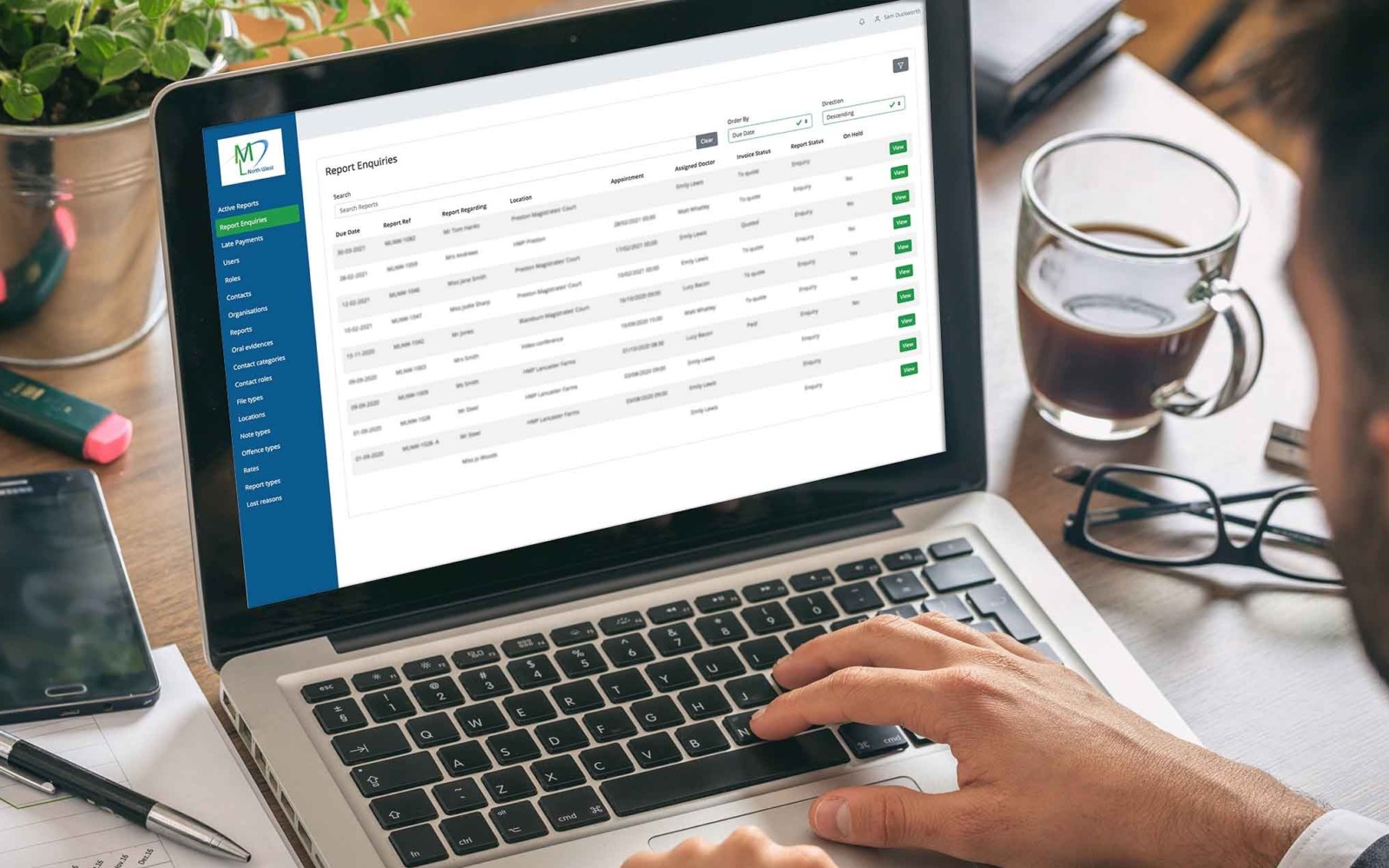

Flight vs Monday
What Is the Difference Between Off-the-Shelf and Bespoke Software? Blue Wren Flight vs. monday.com
Blue Wren vs monday.com
The difference between bespoke and off-the-shelf software comes down to operational ownership. monday.com is a self-built, off-the-shelf software platform priced per seat with a mandatory three-seat minimum. Blue Wren Flight is a fully managed bespoke operational system custom-built for you under a single monthly organisational fee.
If you’re looking for custom CRM and workflow software to move from messy spreadsheets to centralise your company data, you’re bound to come across Blue Wren Flight vs Monday.com. After all, they’re both focused on workflow automation and offer high-level KPI dashboards that let directors track metrics in real time. So naturally the question arises: Should I choose Flight or Monday.com for a work management platform?
While both approaches are highly effective, the question is, “Do you want a flexible platform you build and maintain yourself, or a system built around your business and maintained for you?” Understanding the architectural differences between bespoke software vs off-the-shelf options helps you make a more informed decision. If you’re a UK business researching a Monday.com alternative UK teams can implement without hiring an internal developer, this guide breaks down both options objectively to help you determine which model fits your scaling strategy.
Blue Wren vs. monday.com: How Does Bespoke vs Off-the-Shelf Software Compare?
| Feature | monday.com | Blue Wren (Flight) |
|---|---|---|
| What it is | Off-the-shelf, AI work platform and CRM | Bespoke, fully configured workflow infrastructure and CRM |
| Who builds your system | Your internal team or a paid implementation partner | Blue Wren’s in-house process and engineering experts |
| Best for | Multi-departmental teams who want a flexible, self-build workspace | UK consultancies, SMEs and firms that need rigid compliance workflows |
| Setup time | Immediate sign-up; ongoing internal building/testing | Typically weeks; mapped, fully built, and extensively tested before go-live |
| Ongoing changes | Self-managed or billed via a third-party partner | All ongoing configuration changes included within your standard monthly agreement |
What Is monday.com’s Off-the-Shelf Work Platform?
- monday.com provides teams with a highly visual playground of flexible boards, automated columns, and autonomous AI agents that configure to fit your process.
- It is highly agile, making it perfect for teams that want a visual space to track general, everyday tasks, monitor visual pipelines, and enable cross-team collaboration.
- Since it is modular off-the-shelf software, users establish relationships across distinct departmental datasets manually using structural features like ‘Connect Boards’ and ‘Mirror Columns’.

What Is Flight’s Bespoke Core Workflow?
- The Blue Wren Flight platform targets deep operational complexity rather than broad task management.
- Instead of adapting a general-purpose tool to complex operations, Blue Wren’s team configures a bespoke system natively around your specific workflows, so there is nothing left for you to build.
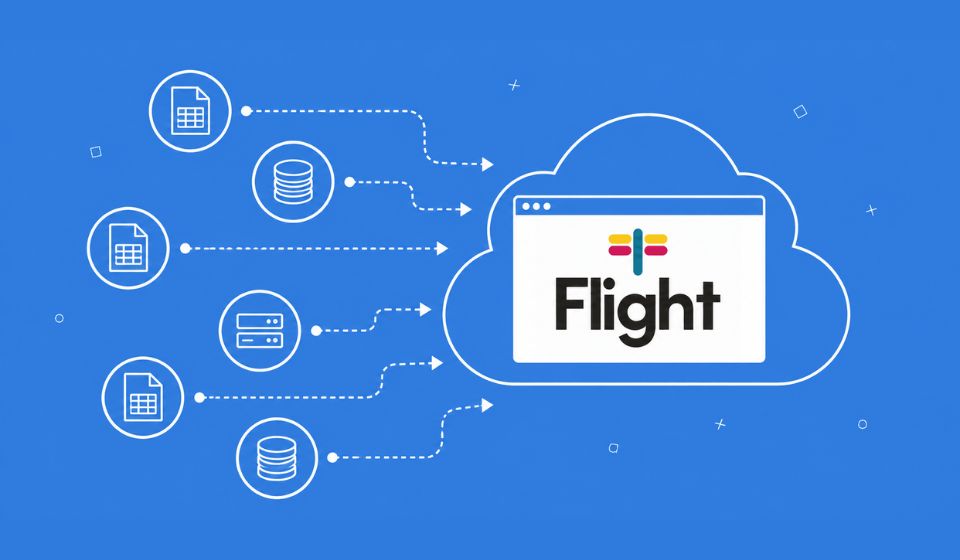
- Flight links your CRM, scheduling, job costing, and billing in one configured system so a single record updates everywhere it’s used, without duplicate entry.

How Does Setup and Configuration Compare Between monday.com and Flight?
The real cost of new software isn’t just the licence fee; it’s the internal time and labour required to get it up and running and fully adopted by your team.
| Implementation pillar | monday.com | Blue Wren (Flight) |
|---|---|---|
| Who does the configuration | You, or an external certified partner (at an extra cost) | Blue Wren’s in-house team, included entirely in the project |
| Technical skills required | Helpful for setting up complex automations and integrations | None. No internal developer or system admin needed on your side |
| The starting point | Standard off-the-shelf templates that your team adapts | Blue Wren maps your actual workflow for you at the outset, so no need to supply a process map yourself |
| Data migration | Self-managed via automated import tools or manual entry | Handled by Blue Wren as part of the formal Launch stage |
| Team training | Self-serve online academy, help centre articles, and community forums | Fully included and delivered directly by your Blue Wren team |
Does Bespoke Software Use Process-First Mapping Instead of Standard Templates?
- When you sign up for monday.com, you start with a blank canvas or generic templates, and your team adapts your operational steps to the structure of the tool.
- With Flight, the software adapts to your business, not the other way around.
- Blue Wren’s process experts sit down with you to map out your real-world processes (such as RICS surveyor compliance, ecology survey windows, or manufacturing pipelines) and build the core workflow around them.

How Is Data Migration Handled When Switching to Bespoke Software?
- Moving legacy records from your old database, scattered spreadsheets, or disconnected software systems is a major point of friction for growing teams.
- Blue Wren handles the data migration process as part of the launch stage, securely mapping your operational history into your new environment.
What Sector-Specific Capabilities Does Bespoke Software Offer That Off-the-Shelf Software Doesn’t?
Every specialised industry has its own non-negotiable operational and regulatory rules. A general project platform leaves the configuration work with your internal team, whereas Flight builds it in from the start.
| Sector requirement | monday.com | Flight |
|---|---|---|
| Fee earner scheduling & profitability | Buildable via custom numeric columns and formula fields | Native, configured precisely to your firm’s fee structure |
| AML compliance tracking (RICS) | Supported via permissions; compliance logic must be custom-built | Native compliance module with automated regulatory reminders |
| Grant application review workflows | Buildable via standard boards and user permissions | Secure multi-stage review pipelines with structured voting audit trails |
| Multi-discipline job costing | Possible with heavy internal customisation | Native, built around how your firm quotes and bills |
| Training/course & delegate management | Achievable via third-party app marketplace integrations | Native training and event management functionality |
How Does Bespoke Software Support AML Compliance for Chartered Surveyors?
Managing Anti-Money Laundering (AML) checks and tracking professional fee-earner capacity across deadlines is a legal and financial necessity for RICS firms. On a general work platform, your internal team builds and verifies the compliance tracking logic. Flight includes a native AML compliance module configured to your firm’s process, maintaining a complete record of AML documentation for every client and matter, with automated reminders for outstanding checks and regulatory deadlines.
How Does Bespoke Software Support Secure Trustee Workflows for Charitable Trusts?
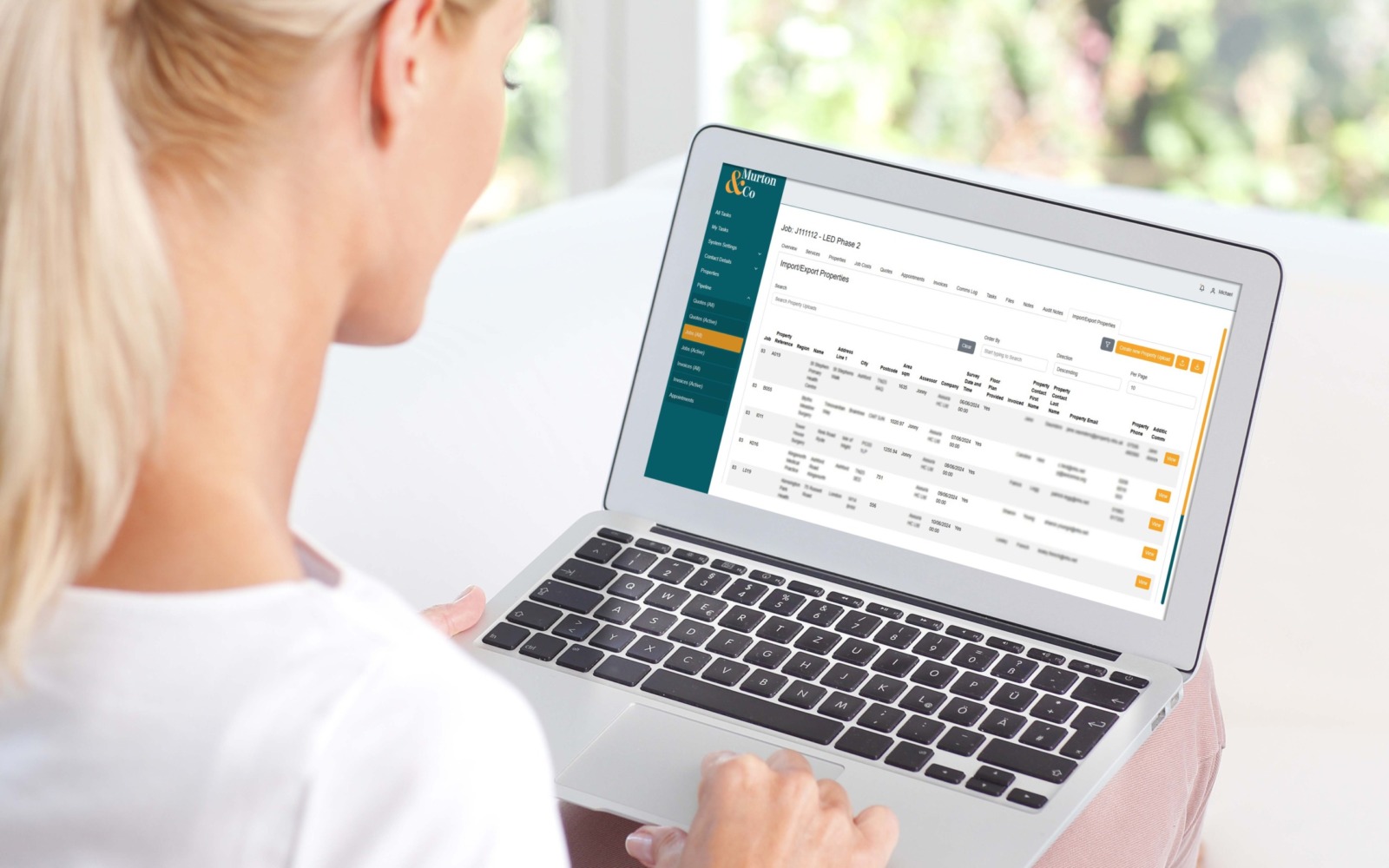
Grant-making trusts need transparency when managing reviews and coordinating trustees who assess and vote on applications. Flight provides a secure, multi-stage review pipeline with structured scoring and voting and immutable audit trails, recorded with timestamps, supporting your governance and Charity Commission reporting obligations.
How Do AI, Automation and Integrations Compare Between monday.com and Flight?
| Technical pillar | monday.com | Flight |
|---|---|---|
| AI features | Built-in AI features and automations, marketed as an “AI Work Platform” | Workflow automation configured to your specific business rules, with the ability to integrate AI agents that automatically receive and process data through the system |
| Automation | Automation templates your internal team builds or adapts | Automated workflows fully configured by Blue Wren based on your operational rules and triggers |
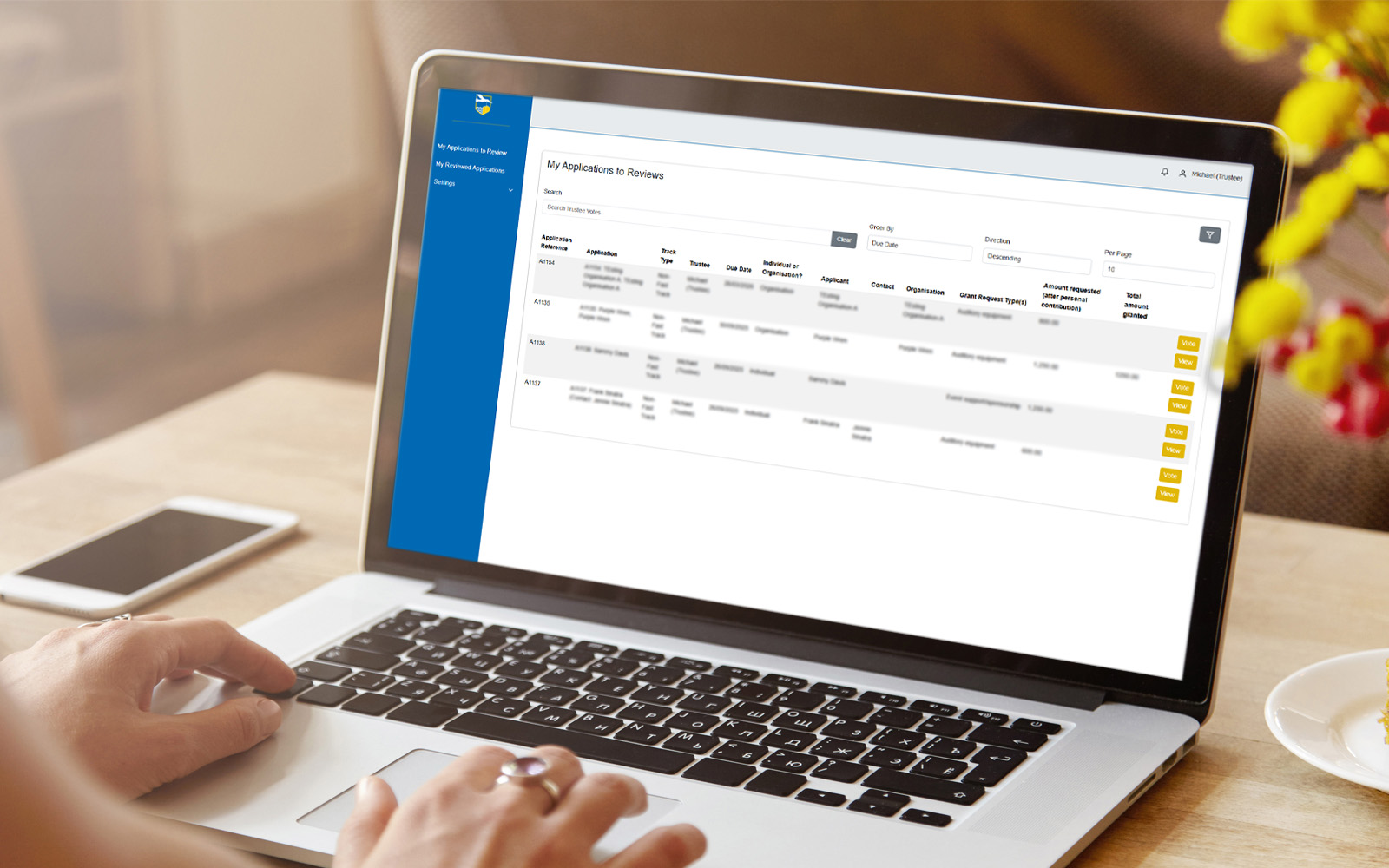
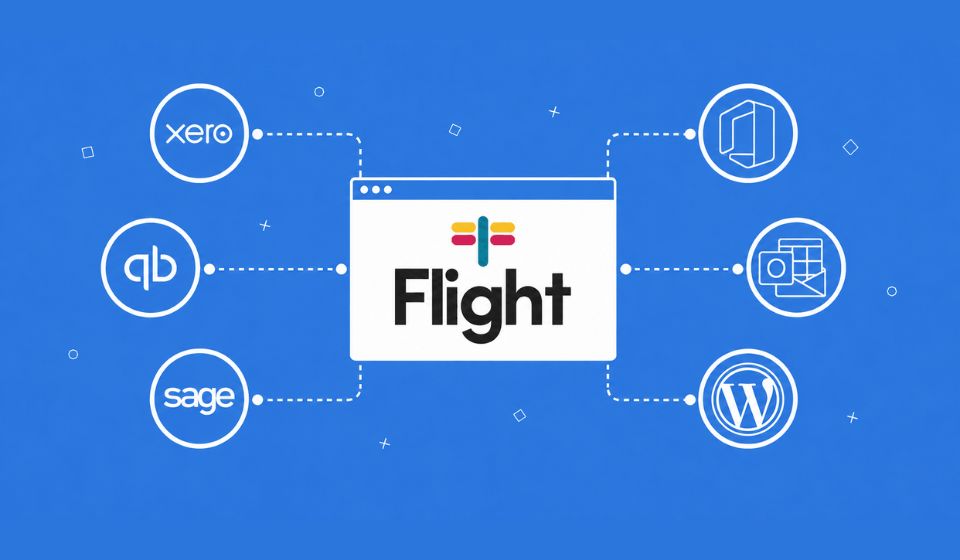
| Integrations | App marketplace connectors linking Slack, Xero, QuickBooks, and others | Fully documented RESTful API connecting to Xero, QuickBooks, Sage, Microsoft 365, or any legacy system |
| Reporting | Dashboards you build and aggregate from your boards | Real-time dashboards pre-configured to your sector’s performance metrics |
| Document generation | Typically via third-party marketplace apps | Native document builder: standardised, branded client documents generated within the workflow (e.g. valuation reports, EcIA reports) |
Does Bespoke Software Integrate More Directly Than Off-the-Shelf App Marketplaces?
Mid-market firms often operate on diverse financial and communication systems, including Sage, Microsoft 365, Xero, Quickbooks, or niche legacy tools. Connecting them via standard app marketplaces introduces additional translation layers. Blue Wren links your system directly to your financial tools — such as mapping a work order line item to an invoice line item — via an open, fully documented RESTful API layer, and this integration is evidenced in practice: The Ecology Co-op‘s Flight system connected QuickBooks time tracking and automated invoicing, contributing to a 45% increase in operational efficiency and a 30% reduction in overdue WIP.
Is Bespoke Software More Secure Than Off-the-Shelf Software?
| Governance pillar | monday.com | Flight |
|---|---|---|
| Hosting | Multi-tenant cloud on AWS | Your own dedicated Virtual Private Cloud (VPC) on AWS |
| Data residency | Auto-assigned by creator location (US, EU, or APAC). | Hosted in AWS London and Ireland |
| Support model | Self-serve help centre, community forums, and 24/7 chat support, with priority options on higher plans | A named, UK-based team providing hands-on lifecycle support |
| Onboarding | Self-serve tutorials or paid partner-led setups | Fully included as a core milestone of the project delivery |
Dedicated Virtual Private Clouds vs. Shared Tenancy
On a standard public SaaS platform, your company’s data lives in a multi-tenant cloud environment alongside other organisations. Every Flight system runs inside its own dedicated Virtual Private Cloud (VPC) on Amazon Web Services — your databases, workflows, and documents are fully segregated from any other client environment, hosted in AWS London and Ireland, with a Data Protection Impact Assessment (DPIA) included as standard.
How Do monday.com and Flight’s Pricing Models Compare?
The way you pay for software shapes how your business scales. One model scales by headcount; the other by system.
| Commercial pillar | monday.com | Blue Wren (Flight) |
|---|---|---|
| Pricing model | Per seat, per month, tiered by plan | One-off configuration fee, then flat monthly licence |
| Plan structure | monday CRM: Basic → Standard → Pro → Ultimate; monday Work Management: Basic → Standard → Pro → Enterprise | One-off configuration fee, then a monthly organisational licence covering up to 50 users, with additional capacity available in blocks of 10 users |
| Cost as you scale | Fixed seat buckets (min. 3, then blocks of 5). A team of 4 pays for 5; a team of 6 pays for 10. | A single licence covers up to 50 users as standard; beyond that, additional users are added in blocks of 10 rather than priced per individual seat |
| Cost of system changes | Often requires a paid partner for rebuilds | All ongoing configuration changes included; major re-works and new third-party integrations are scoped separately |
| Minimum commitment | A published minimum of three seats on every paid plan | A single organisational licence for your whole team — as described on Blue Wren’s About Flight page |
| Software ownership | Licensed for use. You do not own the underlying software or code | Blue Wren owns the Flight platform and its source code; you own and can access or download your own data at any time |
Why Does monday.com’s Per-Seat Pricing Cost More As You Scale?
Platforms like monday.com bill per seat in buckets, so cost steps up as your team crosses each threshold — a 7-person team pays for 10 seats. Flight works differently: the monthly fee covers hosting, support, and all ongoing configuration changes, not just a licence, and includes up to 50 users as standard, with extra capacity added in blocks of 10.
What Is the Total Cost of Ownership for Bespoke vs Off-the-Shelf Software?
Business workflows change as opportunities evolve. On a self-build platform, when a process shifts, your team spends internal hours rebuilding boards, or engages an implementation partner. With Blue Wren, ongoing configuration changes and continued training are included in the monthly fee for the life of the agreement — with major re-works and new integrations scoped transparently before any work begins.
What Are the Advantages and Disadvantages of Bespoke and Off-the-Shelf Software?
Here’s a quick summary of the advantages and disadvantages of bespoke and off-the-shelf software, drawn from the comparisons above:
| monday.com (off-the-shelf) | Blue Wren Flight (bespoke) | |
|---|---|---|
| Advantages | Fast to start, well-established, flexible for general workflows | Built around your exact processes, no per-seat cost creep, UK-based support |
| Disadvantages | Per-seat cost grows with headcount, no native sector-specific compliance logic | Longer initial setup (typically weeks), configuration fee required upfront |
What Are the Benefits of Bespoke Software vs Off-the-Shelf Software? Making Your Choice
The choice ultimately comes down to who you want managing your operational architecture.
If your primary need is everyday team collaboration, your processes change frequently, and you have tech-savvy internal staff who want to build and manage the workspace themselves, monday.com is a good fit.
If your business needs to control complex financials, handle compliance across multiple sectors, eliminate double data entry, and you would prefer UK-based software experts to build and maintain it for you, Blue Wren Flight is built for precisely that. This is where the benefits of bespoke software vs off-the-shelf platforms become most apparent: a system that fits your business from day one.
Not sure which side you fall on? Book a call, and we’ll give you a straight answer.